A Practical Grease Buildup Cleaning Guide for Range Hoods: What Appliance Brands Should Communicate to End Users
For brands, maintenance-friendly design and clear user guidance are essential to protect product reliability, reduce service claims, and maintain long-term brand reputation.
Grease buildup inside range hoods is one of the most common—and most underestimated—causes of after-sales complaints in the kitchen appliance industry. Across different markets, brands often face recurring issues such as reduced suction, increased noise, unpleasant odors, or customer claims that a product is “not working as expected.”In many cases, these problems are not caused by manufacturing defects, but by long-term grease accumulation combined with insufficient maintenance guidance.
For brands and retailers, this creates a challenge. Even when product quality meets standards, unresolved usage and maintenance issues can damage brand reputation, increase service costs, and strain distributor relationships. Clear, realistic maintenance communication—supported by thoughtful product design—has become a practical way to reduce unnecessary after-sales pressure while strengthening consumer trust.
Why Grease Buildup Turns Into After-Sales Pressure for Brands
During daily cooking, airborne grease gradually accumulates inside range hoods, settling on filters, airflow paths, and internal surfaces. As buildup increases, airflow becomes restricted, suction weakens, and operating noise rises—yet these changes happen slowly. Many users do not link declining performance to maintenance, and instead assume the product is defective. Over time, this leads to odor complaints, unstable performance, and in severe cases, grease leakage or safety concerns.
For brands and retailers, these issues often surface as avoidable warranty claims, returns, and negative reviews across multiple markets. This is why grease management is not simply a usage detail, but a product and brand strategy issue that directly affects long-term reliability and customer confidence.
A Practical Range Hood Cleaning and Maintenance Guide
To reduce grease-related issues, brands and retailers should communicate clear, realistic maintenance steps that users can follow without professional tools or technical knowledge.
Regular filter cleaning is the most critical step. Filters should be removed and cleaned on a routine basis, with frequency depending on cooking intensity. Aluminum filters can typically be washed with warm water and mild detergent, then fully dried before reinstallation. Allowing grease to harden over long periods makes cleaning more difficult and less effective.
Internal surface cleaning is also important. While users may not access deep internal components, wiping accessible surfaces behind the filter helps prevent grease from migrating further into the airflow system. This simple habit can significantly slow performance degradation.
Ventilation path checks should not be ignored. For ducted systems, grease can accumulate along internal passages over time. For models using filter-based circulation, filters must be replaced according to usage cycles. Overlooking this step is a common reason for persistent odor complaints and reduced performance.
Together, these actions form a realistic maintenance routine that brands can confidently pass on to consumers—reducing misunderstandings and unnecessary service claims.
Maintenance-Friendly Design Makes a Measurable Difference
While user behavior matters, not all responsibility should fall on the end customer. Design choices made during product development play a major role in how easy a range hood is to maintain over its lifetime. Products that are difficult to disassemble, clean, or reinstall tend to generate more complaints, regardless of initial performance.
This is why many brands are shifting their focus toward maintenance-friendly structures. Easily removable filters, smooth internal surfaces, and materials that resist oil adhesion all contribute to longer-lasting performance. When maintenance is intuitive, users are more likely to follow instructions—and brands benefit from fewer after-sales issues.
Where Leading Manufacturers Add Value Beyond Basic Performance
In today’s competitive appliance market, leading manufacturers are expected to do more than deliver suction power. They are expected to support brands with designs that reduce long-term risk.
As one of the TOP 3 range hood manufacturers with strong ODM & OEM capabilities, Greaidea approaches product development with this long-term perspective. Its range hoods are engineered to balance performance, ease of maintenance, and durability across different markets. Filter structures are designed for quick removal and cleaning, while multi-layer aluminum filters effectively capture grease without restricting airflow. External surfaces use materials that are easier to wipe down, helping maintain appearance over time.
Rather than offering one-size-fits-all products, Greaidea works with partners to align performance levels, installation methods, and maintenance expectations with local cooking habits and usage frequency. This approach helps brands deliver products that perform consistently throughout their lifecycle.
Supporting Different Markets Through Tailored Solutions
Cooking styles, kitchen layouts, and user expectations vary widely across regions. In some markets, daily high-oil cooking places heavier demands on extraction systems. In others, space constraints require compact designs with easy access for cleaning.
Many brands working with Greaidea adopt a tailored approach, adjusting airflow capacity, filter configurations, and installation formats to match local conditions. This flexibility allows them to reduce after-sales friction while offering products that feel purpose-built for their target markets. Over time, these design decisions contribute to stronger distributor confidence and better consumer feedback.
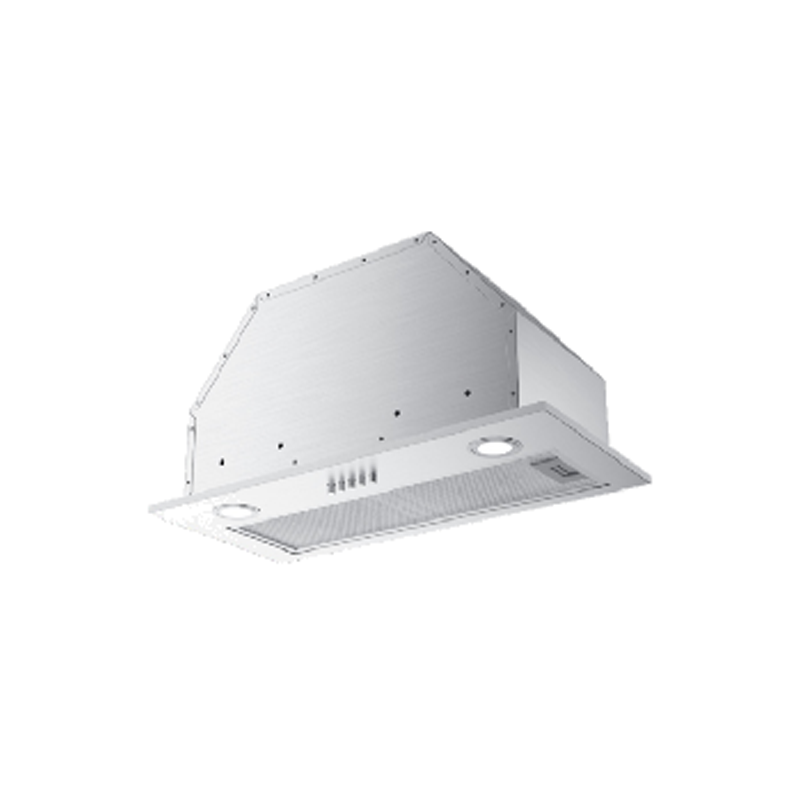
Integrated Stainless Steel Range Hood MCHS-5/6005A
Several brand partners have noted that maintenance-friendly designs directly impact customer satisfaction. Products that are easier to clean generate fewer complaints, require less explanation from service teams, and maintain stable performance longer. For distributors, this translates into smoother operations and fewer post-sale disputes. Rather than positioning maintenance as a burden, these brands use it as a value point—communicating transparency, practicality, and reliability to end users.
Building Stronger Brands Through Smarter Maintenance Strategy
Range hood maintenance may seem like a small detail, but its impact on after-sales performance and brand perception is significant. Clear guidance, combined with thoughtful design, can dramatically reduce grease-related complaints while extending product life.
For brands and retailers, choosing manufacturing partners who understand this balance is increasingly important. Greaidea supports partners not only with OEM & ODM range hood manufacturing, but also with market-aligned product strategies that reduce long-term operational risk.
If you are exploring range hood solutions designed for performance, durability, and easier maintenance, Greaidea can help develop a tailored approach for your market—supporting stronger products and more sustainable brand growth. Contact Greaidea.
Keywords: Built in Gas Hobs
range hood manufacturer,range hood after-sales issues,kitchen appliance solutions,ODM range hood,TOP range hood supplier,cleaning range hood guide