Table Top Gas Hob or Built-In Gas Hob? A Practical Guide for Brands and Distributors
A practical comparison of table top and built-in gas hobs, explaining market fit, kitchen conditions, and how flexible OEM/ODM solutions help brands scale across regions with lower risk.
For brands and distributors operating in the global gas hob market, choosing between a table top gas hob and a built-in gas hob is not a question of preference or trend. It is a strategic decision influenced by kitchen standards, installation conditions, channel structure, and long-term product planning.
As markets diversify and distribution models evolve, more brands are reassessing how gas hob formats fit into their portfolios. Understanding the real differences—and where each format performs best—helps reduce risk, improve sell-through, and build more resilient product lines.
Why Gas Hob Format Matters in Decision-Making
Unlike consumer purchases, sourcing decisions must account for scalability, compliance, installation feasibility, and after-sales impact. A gas hob that performs well in one region may face resistance in another due to kitchen layout, infrastructure, or installer capability.
For this reason, many experienced brands no longer commit to a single format. Instead, they develop market-specific gas hob strategies, often combining both built-in and table top models to serve different channels and regions efficiently.
Built-In Gas Hobs: Designed for Integrated Kitchens
Built-in gas hobs are commonly selected for markets where kitchen integration and aesthetics are priorities. These products are installed directly into the countertop, creating a clean and seamless appearance.
Typical application scenarios of built-in gas hobs:
Markets with standardized cabinetry and countertop dimensions
Residential projects where kitchens are designed as fixed installations
Retail environments focused on mid-to-premium positioning
In these scenarios, built-in models allow brands to present a refined image while aligning with modern kitchen design expectations.
The commercial value of built-in gas hobs for brands:
Support higher perceived value and stronger brand positioning
Integrate well with cabinetry and kitchen solution partnerships
Offer long-term SKU stability once market standards are established
However, they also require more precise installation conditions, making supplier experience and technical support especially important.
Table Top Gas Hobs: Practical and Market-Flexible
Table top gas hobs remain a core product category in many global markets. These units sit directly on the countertop and do not require cutting or permanent installation.
Typical application scenarios of table top gas hobs:
Markets with diverse or non-standard kitchen layouts
Regions where installation services vary in quality or availability
Distribution models focused on wholesale and fast-moving retail
Their flexibility makes them particularly suitable for markets where adaptability is more important than integration.
The commercial value of tabletop gas hobs for brands:
Faster product rollout with fewer installation constraints
Easier inventory management across multiple regions
Lower barriers for channel partners and installers
These advantages explain why table top models continue to perform strongly, even in markets where built-in kitchens are becoming more common.
Kitchen Size, Installation Conditions, and Regional Reality
Kitchen dimensions, countertop depth, and gas connection standards vary significantly from one region to another. In many cases, these factors—not consumer preference—determine which gas hob format is viable.
Brands with experience across multiple markets understand that format selection must reflect local reality. In some regions, built-in models dominate premium channels, while table top models remain essential for volume and accessibility. In others, both formats coexist within the same product portfolio.
The most successful brands avoid choosing one over the other. Instead, they focus on compatibility, adaptability, and platform efficiency.
One Platform, Two Solutions: A Flexible Approach
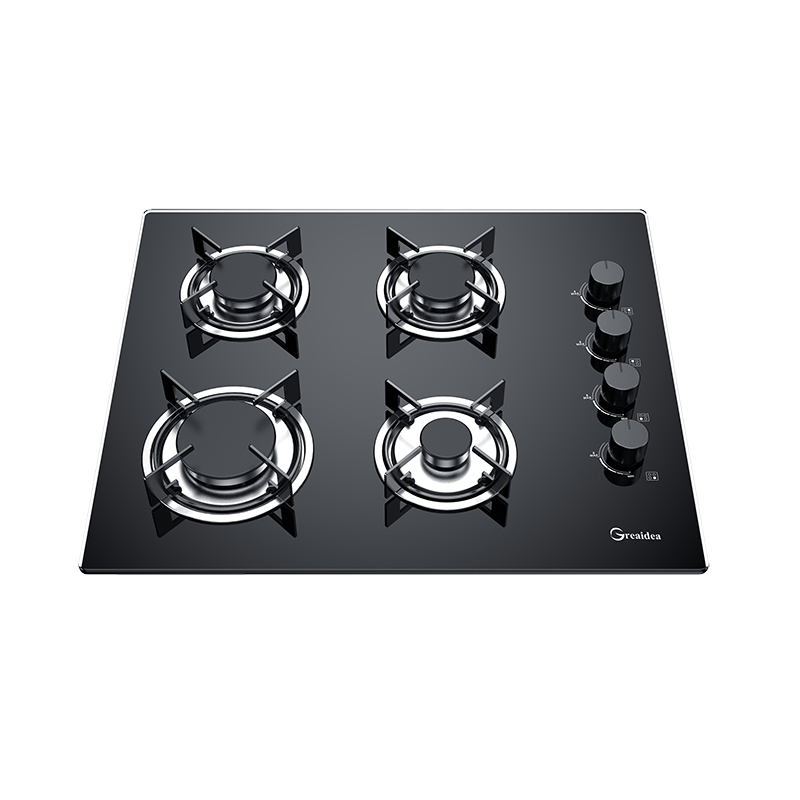
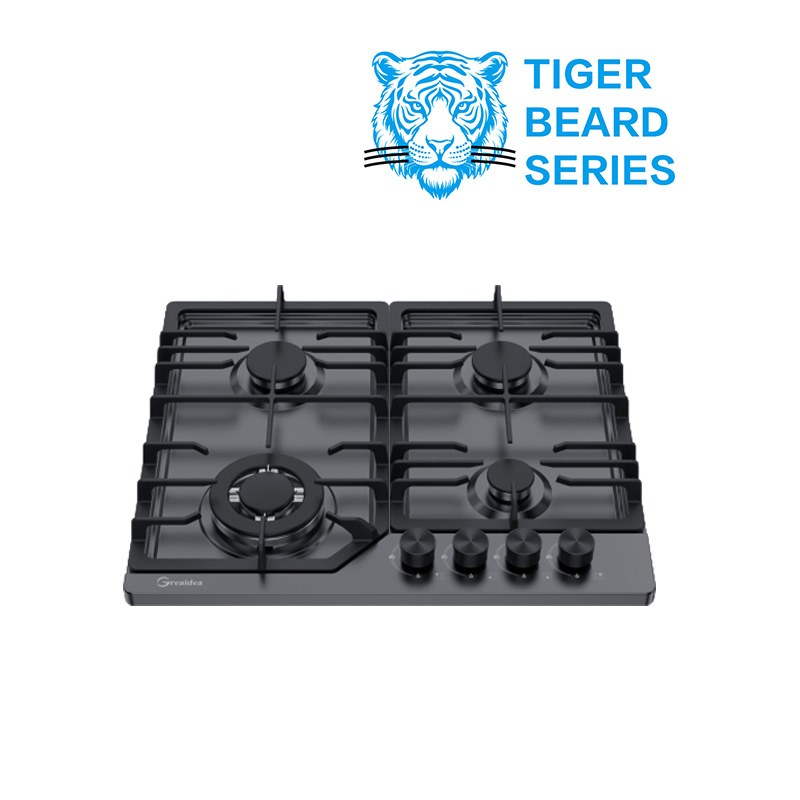
To support this dual-format strategy, Greaidea gas hobs are available for both built-in and countertop installation.
For built-in installations, the product can be equipped with an anti-overflow sealing strip to ensure a perfect fit with the countertop and prevent spills during cooking that are difficult to clean. For table top use, the same models can be equipped with stable hob feet, allowing safe and simple placement without structural modification.
This approach allows brands to shorten product development time while maintaining consistent quality across different markets and minimizing structural differences between models.
Rather than designing separate products for each format, clients can scale efficiently using one adaptable solution.
Greaidea partners with brand owners and distributors to configure gas hobs based on target market regulations and installation specifications, clients' channel strategies, and anticipated pricing and sales volume factors.
From the gas hob panel and burner structure to the control knobs and installation configuration, every element can be tailored to support the client's overall business objectives.
This OEM/ODM approach allows brands to maintain a coherent product identity while adapting efficiently across regions.
Partner Insight: Value Beyond Product Supply
Many clients value flexibility not just in product design, but in collaboration.
One distributor shared:
“Working with Greaidea, we didn’t have to commit to a single gas hob format. They helped us adapt one core design to different markets, which reduced our risk and simplified our sourcing.”
This type of partnership support is particularly valuable for brands managing multiple regions or planning gradual market expansion.
Choosing the Right Gas Hob Starts with the Right Strategy
The decision between a table top gas hob and a built-in gas hob is not about which is better. It is about which is right for a specific market, channel, and kitchen environment.
For brand owners and distributors, it's essential to understand regional installation conditions and balance flexibility with product consistency. Partnering with gas hob manufacturers who support long-term planning is a crucial factor in driving business growth.
By offering adaptable gas hob solutions and experienced OEM/ODM support, Greaidea helps partners build product portfolios that respond to real market conditions—today and as markets continue to evolve. Contact Greaidea, tell them your needs, and Greaidea will provide you with a solution. Email: sales@greaidea.com
4 Burner Stainless Steel Gas Hob|MGBS-604A
4 Burner Glass Gas Hob MGBG-604AE
4 Burner Black Nano-Painting/Enamelled Gas Hob|24 Inch|MGBS-604TN/E|Support ODM&OEM
5 Burner Black Nano-Painting/Enamelled Gas Hob|30 Inch|MGBS-765TN/E|Support ODM&OEM
Keywords: Built in Gas Hobs
Table Top Gas Hob vs Built-In Gas Hob,Built-In Gas Hob Manufacturer,Gas Hob OEM ODM,Gas Hob Solutions,Custom Gas Hob Manufacturing,China Gas Hob OEM Manufacturer